Why Cortisol Matters in Healthcare Simulation and How Lower Stress Improves Learning Outcomes

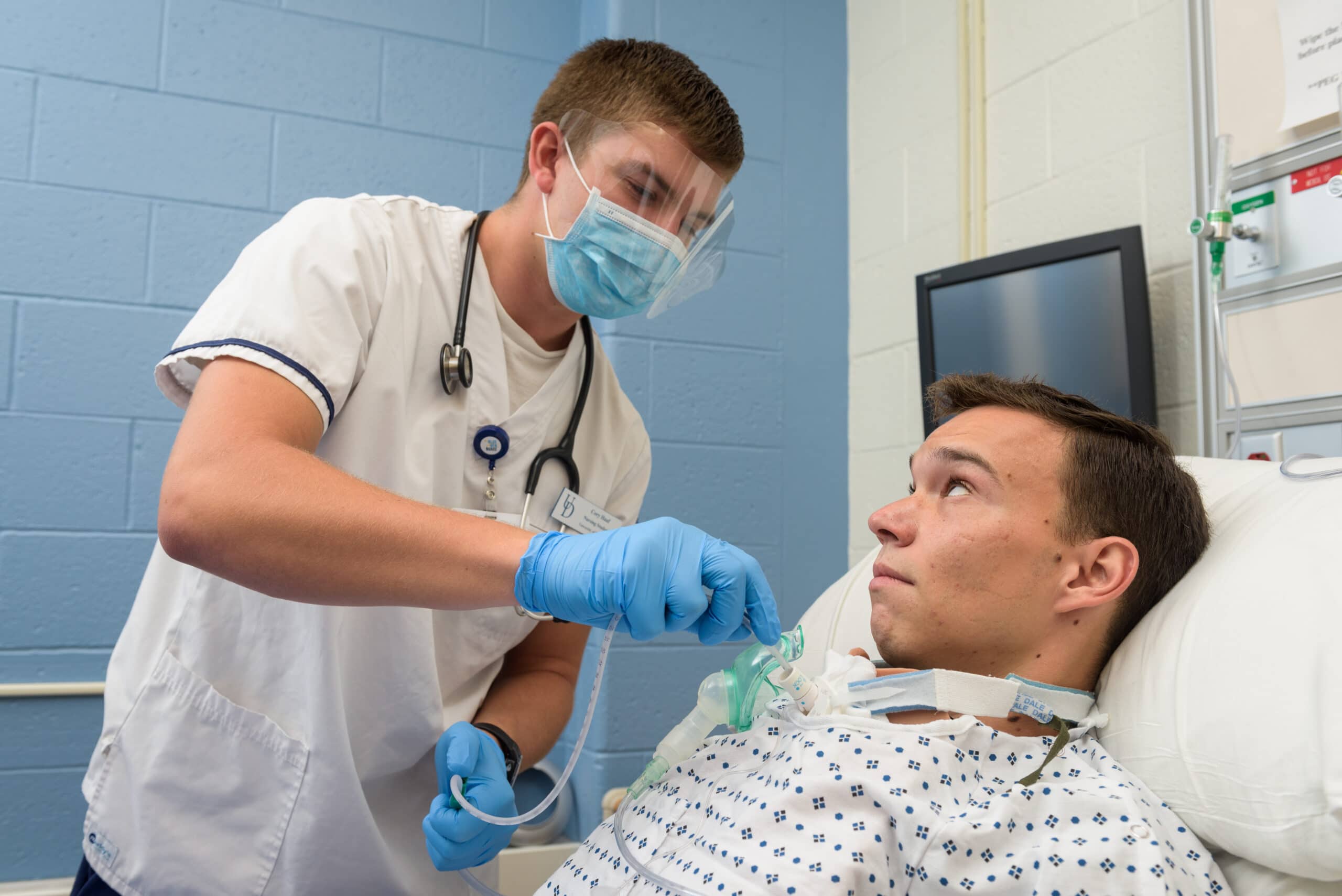
In healthcare simulation, the goal isn’t just to expose learners to pressure, it’s to help them perform through it.
That’s where studying cortisol in simulation comes in. In this article we will look at:
Why Cortisol Matters in Simulation
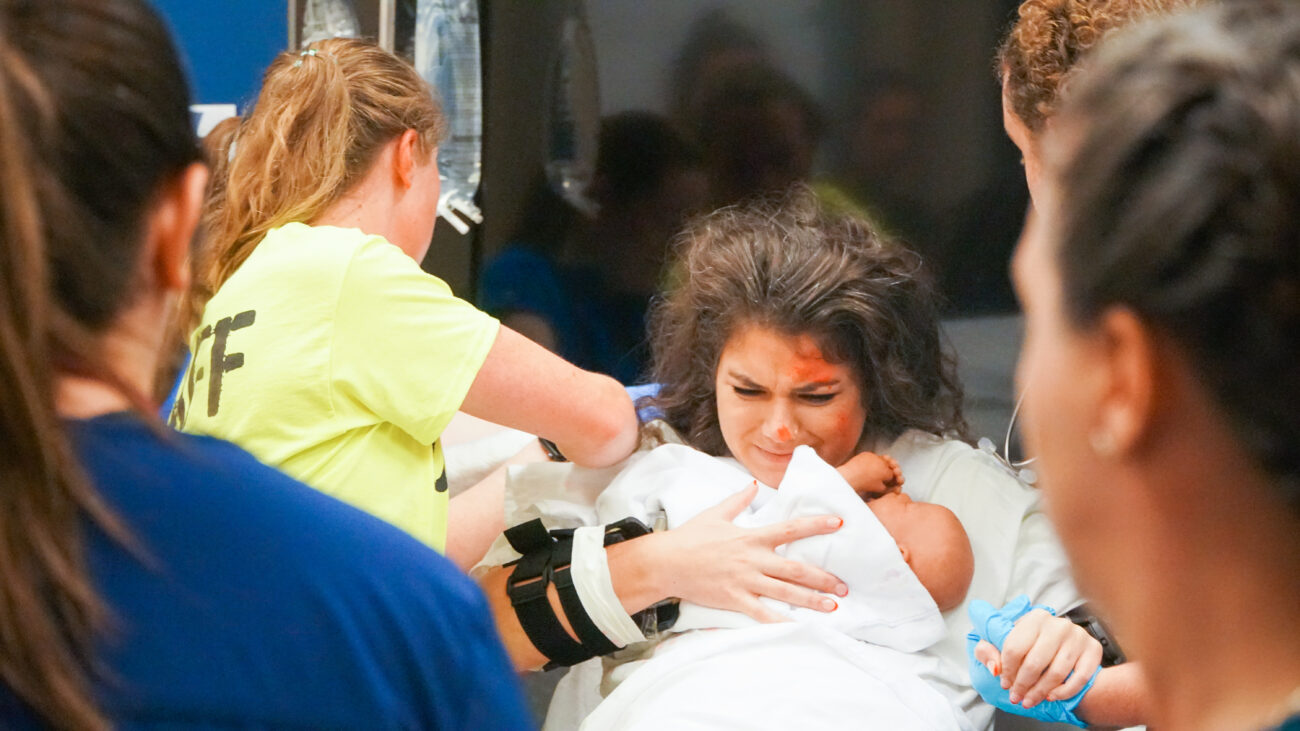
Cortisol is a hormone released during stress and is widely used in research as an objective indicator of how the body responds to high-stakes situations. In simulation, salivary cortisol has been shown to rise during immersive scenarios, confirming that learners experience simulation as a real physiological event, not just a cognitive exercise.
Because cortisol is a biological measure, it helps educators see beyond confidence surveys or post-scenario reflections and understand how learners are actually responding in the moment—and how well they recover afterward.
What lower cortisol levels tell us about learning
Importantly, the research doesn’t suggest that stress should be eliminated from simulation. Instead, it shows that well-regulated stress—reflected by lower or recovering cortisol levels—supports stronger learning outcomes.
A 2024 systematic review examining stress in healthcare simulation found that excessive stress is commonly associated with impaired performance and decision-making, while there is little evidence that higher stress improves learning outcomes.
In contrast, studies have shown that when simulation environments support psychological safety and structured debriefing, cortisol levels often decrease following the scenario. This stress recovery is associated with:
- Improved task performance
- Better clinical decision-making
- Higher learner confidence
- Stronger retention and transfer to real-world practice
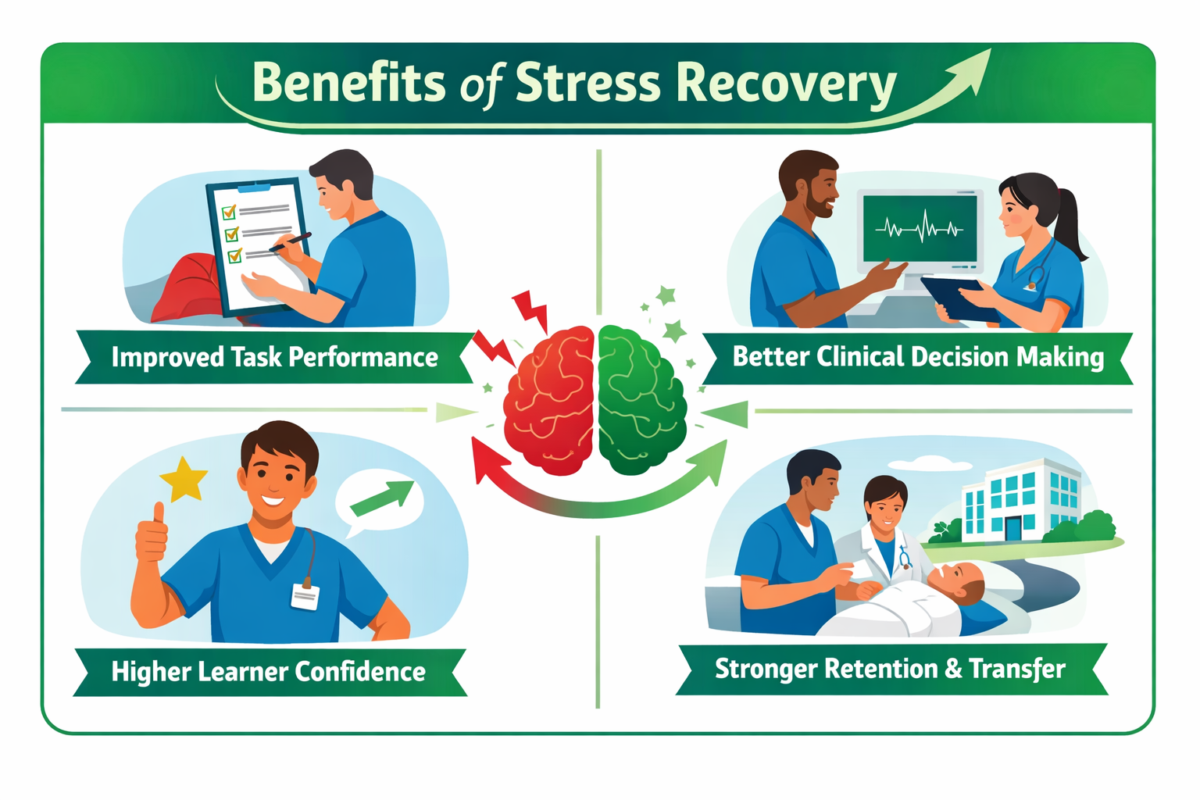
In other words, lower or well-managed cortisol reflects a learner who is challenged—but not overwhelmed. That’s where meaningful learning happens.
Why this matters for wearable simulation
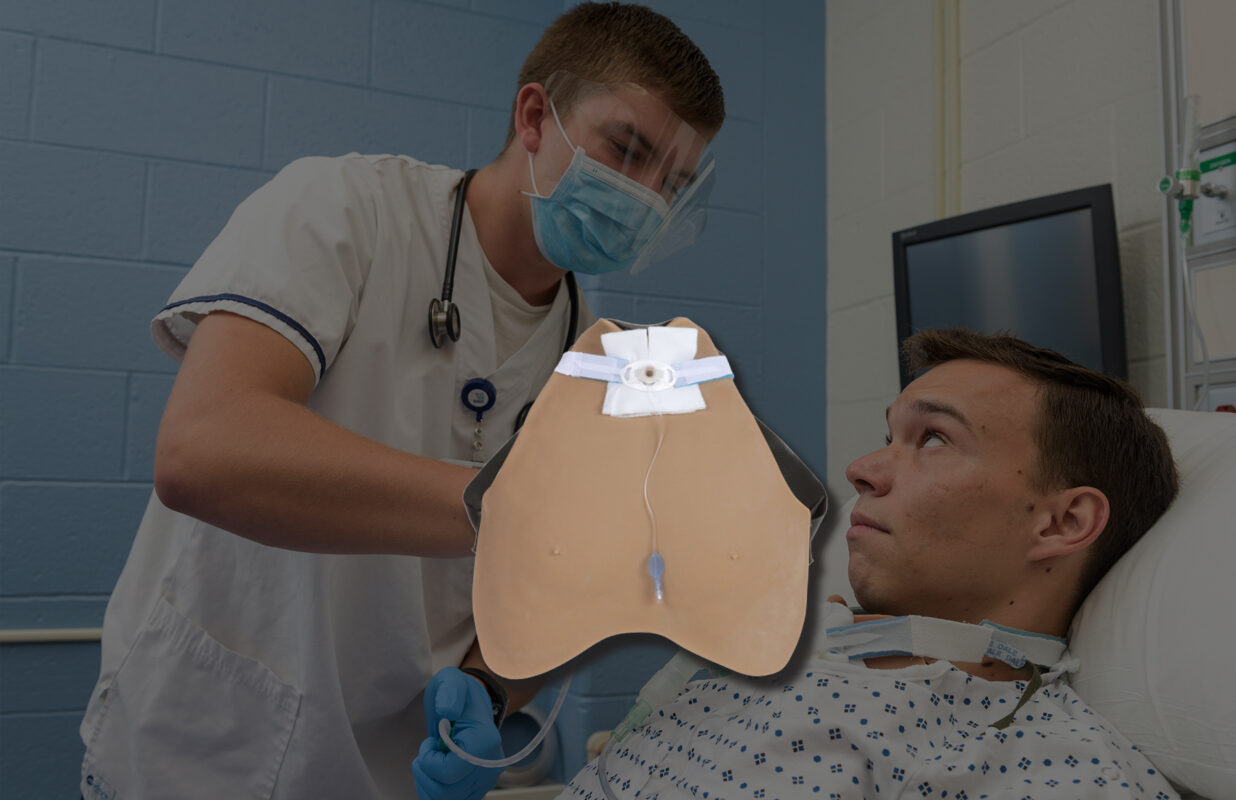
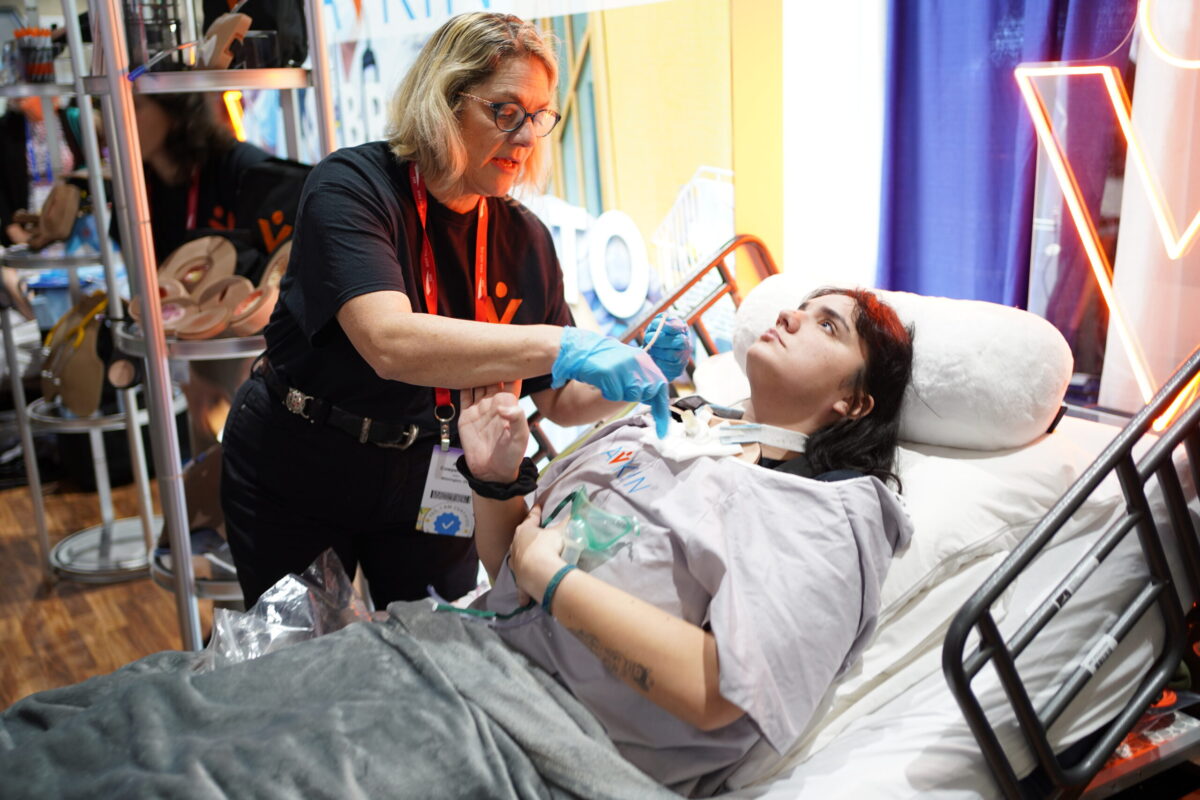
This relationship between stress regulation and performance was a key reason cortisol was included in a multi-institutional randomized controlled study evaluating the AvTrach alongside traditional high-fidelity manikins.
The study assessed not only skill performance and engagement, but also physiological stress response. The findings reinforced a critical insight: simulation design directly influences learner stress, and wearable, human-to-human simulation can support a stress profile more conducive to learning and performance under pressure.
We’ve brought this research together in a short blog exploring how cortisol helps explain learner outcomes, and why measuring stress can inform better simulation design.
If you’re thinking about learner performance, psychological safety, or preparing clinicians for real-world pressure, cortisol provides a powerful lens into what effective simulation truly looks like.
Looking for a quote on Avtrach? Book a meeting now!