Blog
The Gap Between Graduation and the Bedside Is Bigger Than We Think

Every May, hundreds of thousands of nursing students walk across a stage believing they are ready but the gap between graduation and the bedside is larger than they think.
They’ve completed their clinical rotations, walked across the stage to receive the degree they worked so hard for, and passed the NCLEX. Then reality hits.
The first few months at the bedside can feel overwhelming. New nurses suddenly find themselves caring for complex patients, managing competing priorities, communicating with grieving families, collaborating with interdisciplinary teams, and struggling to make critical decisions that directly impact patient outcomes.
For most, the transition is far more difficult than they expected. Researchers have given this challenge a name: The Practice Readiness Gap.
A recent study examining new graduate nurses found that many lacked confidence in critical areas of patient care, particularly communication, clinical judgment, and decision-making in real patient situations. These challenges contribute to stress, turnover that costs healthcare organizations millions of dollars, and ultimately can impact patient safety.
This isn’t a problem hospitals can solve alone. And it isn’t a problem academia can solve alone. It requires both sides to work together.
Because the reality is that nearly 80% of the nursing workforce is made up of nurses with less than ten years of experience.¹ How we prepare these clinicians today will shape the future of healthcare itself.
When Skills Aren’t the Problem
For years, simulation has focused heavily on technical competency and the next wave of technology. Can the learner recognize the abnormal finding? Can they complete the scenario?
These questions matter. But patients don’t experience healthcare through a checklist.
Patients ask questions, become anxious, and are scared. Families need answers. Nurses must communicate clearly, think critically, and build trust while making decisions under pressure.
Simulation isn’t just about proving a learner can perform a task. It’s about preparing them for the human realities of patient care before the stakes are real.
New graduates consistently report that one of their greatest sources of stress is communication. Not just with patients, but with interprofessional care teams as well. Yet, with such a strong emphasis on psychomotor skills, traditional simulation practices have not always prioritized the areas where learners often feel least confident: navigating difficult conversations, responding to emotions, and communicating under pressure.
That’s where the readiness gap becomes visible as nurses enter residency programs.
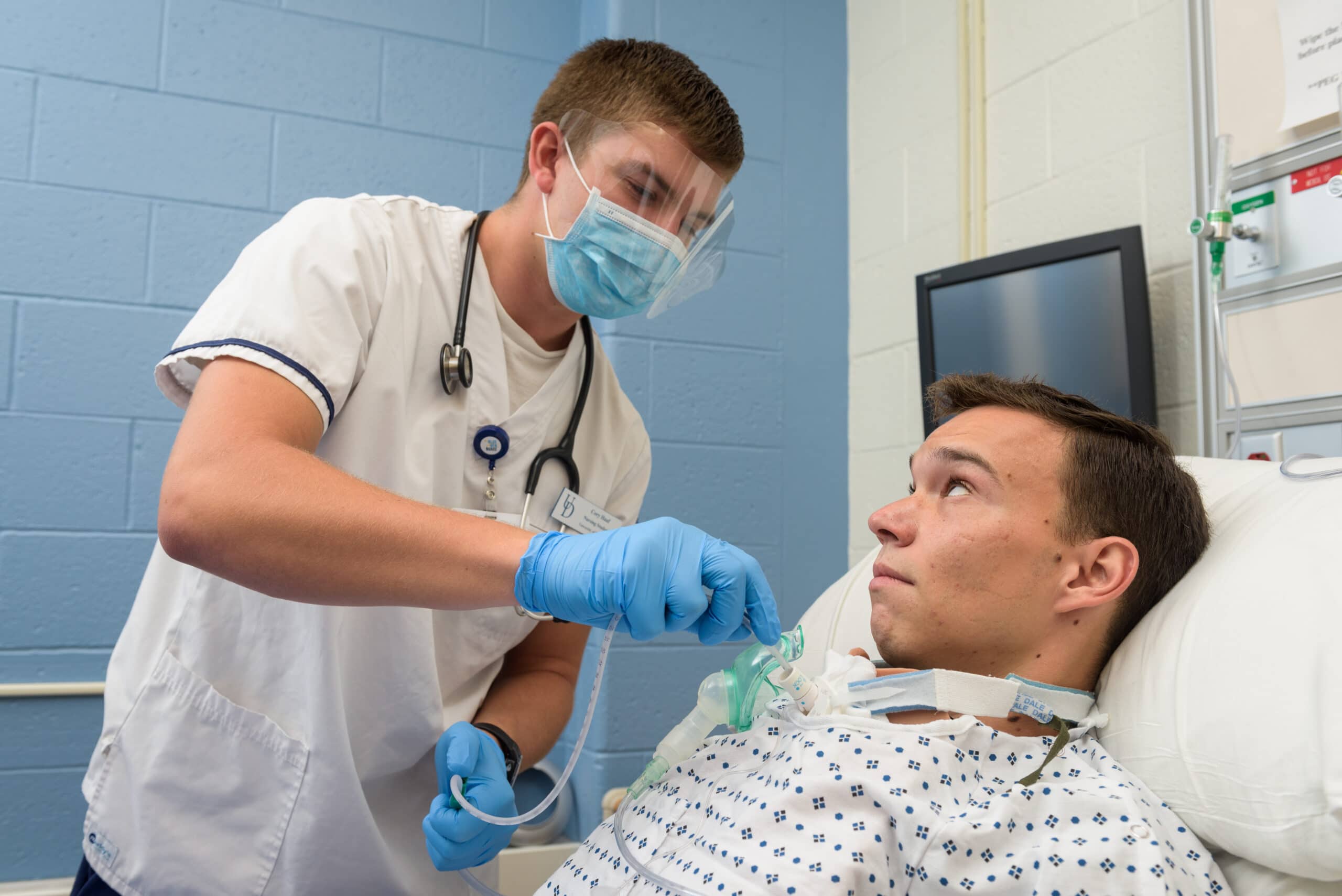
It’s not that they don’t know how to insert an IV, suction a tracheostomy, or complete a procedure. It’s that they haven’t had enough opportunities to answer the unexpected question. To calm an anxious family member, to recognize when a patient’s tone changes, and to explain a difficult situation while still performing the technical aspects of care.
And it’s why organizations like HCA Healthcare have invested heavily in simulation as part of preparing new nurses for practice.
How HCA Healthcare Is Closing the Gap
Dan Franceschini, MSN, RN, CHSE, Division Director for HCA Healthcare’s North Florida Division, has spent years helping prepare new nurses for the realities of bedside care. As the leader overseeing nurse residency education, Franceschini has seen firsthand the challenges new graduates face when transitioning into clinical practice.
Through his work leading nurse residency education, Franceschini recognized that new nurses needed more than procedural practice. They needed opportunities to think critically, communicate effectively, and manage patient interactions while performing technical skills.
Historically, much of that training relied on traditional task trainers.
Learners could practice a procedure. What they couldn’t practice was the patient experience. There was no conversation, no unexpected questions, no opportunity to combine technical performance with human interaction, and limited critical thinking.
That changed when HCA incorporated wearable simulation into its residency program.
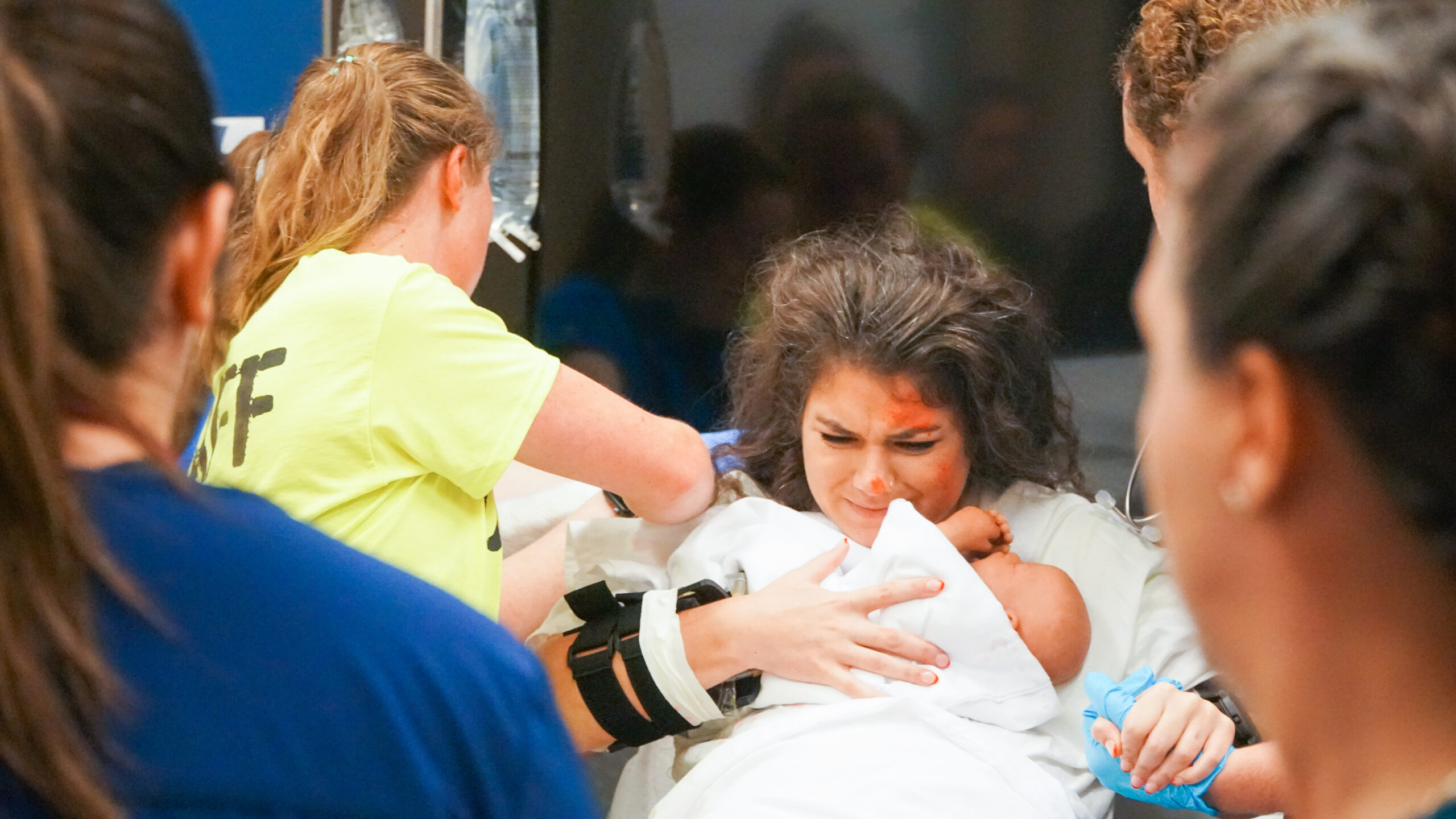
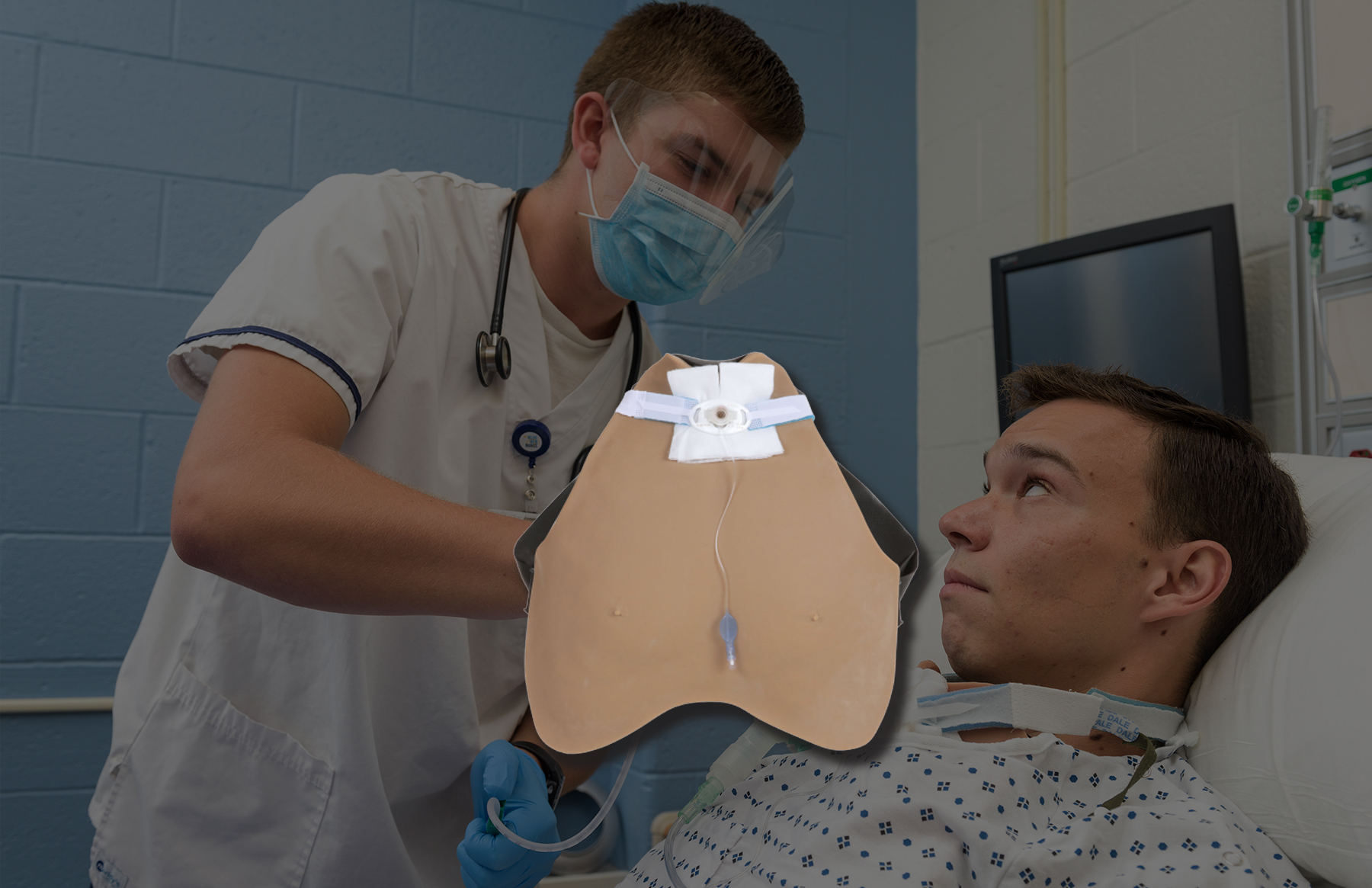
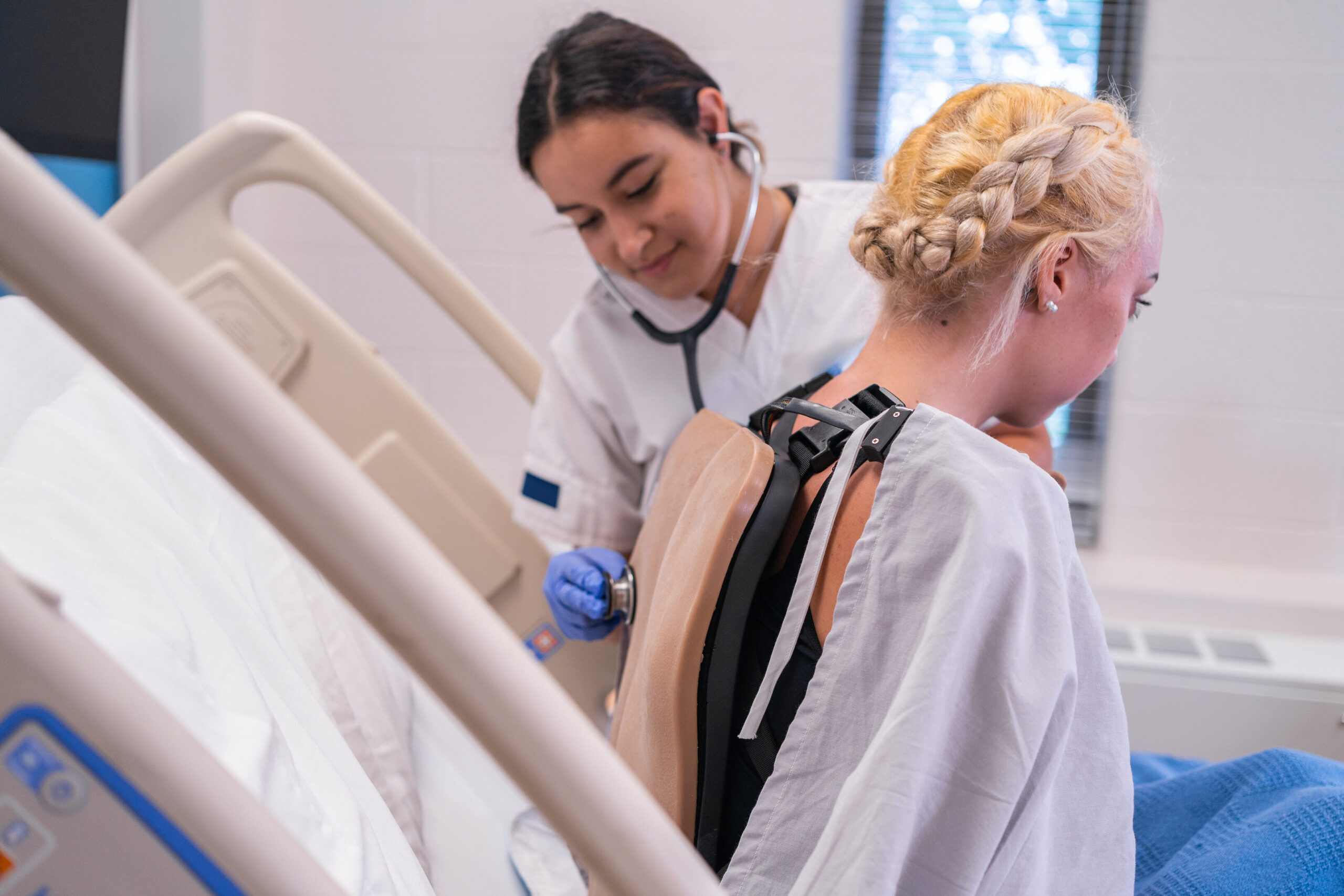
Using Avkin’s Avtrach, a wearable tracheostomy simulator, and Avthor, a wearable chest tube simulator, educators were able to place the patient at the center of every scenario. Suddenly, the procedure wasn’t happening on a piece of plastic but on a person instead.
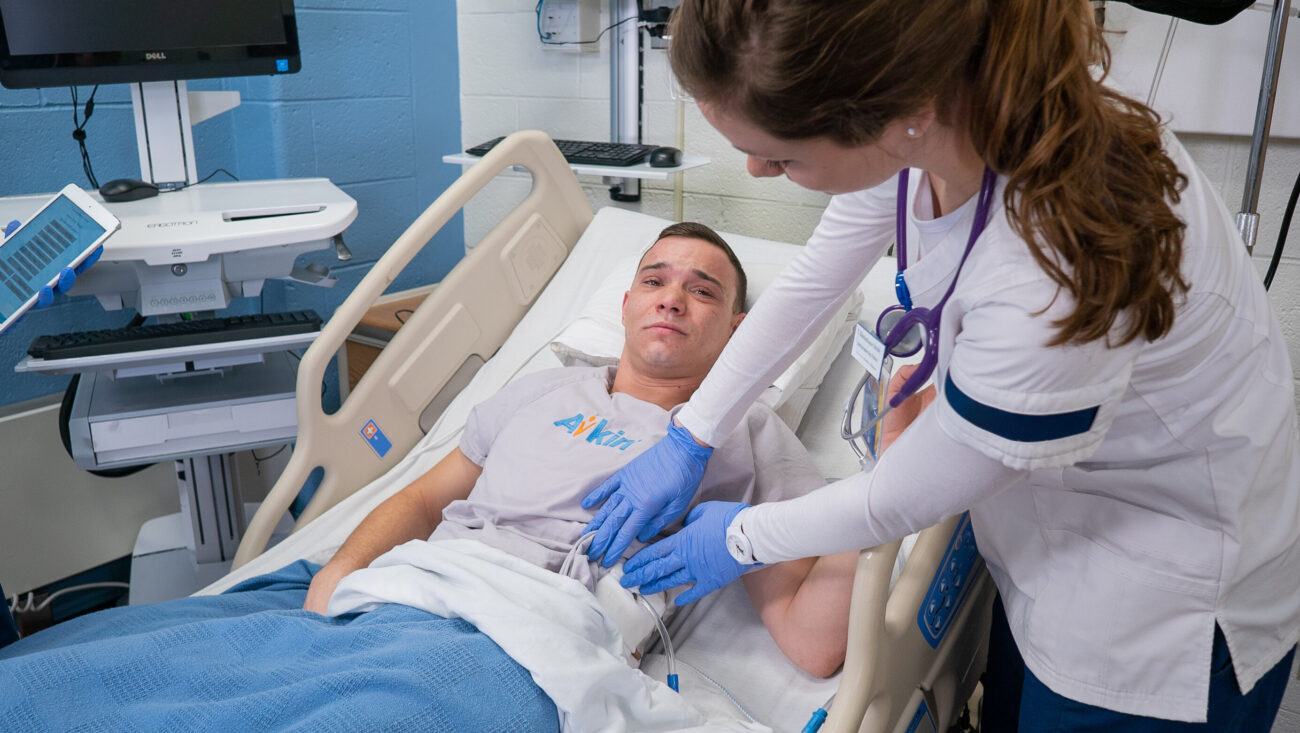
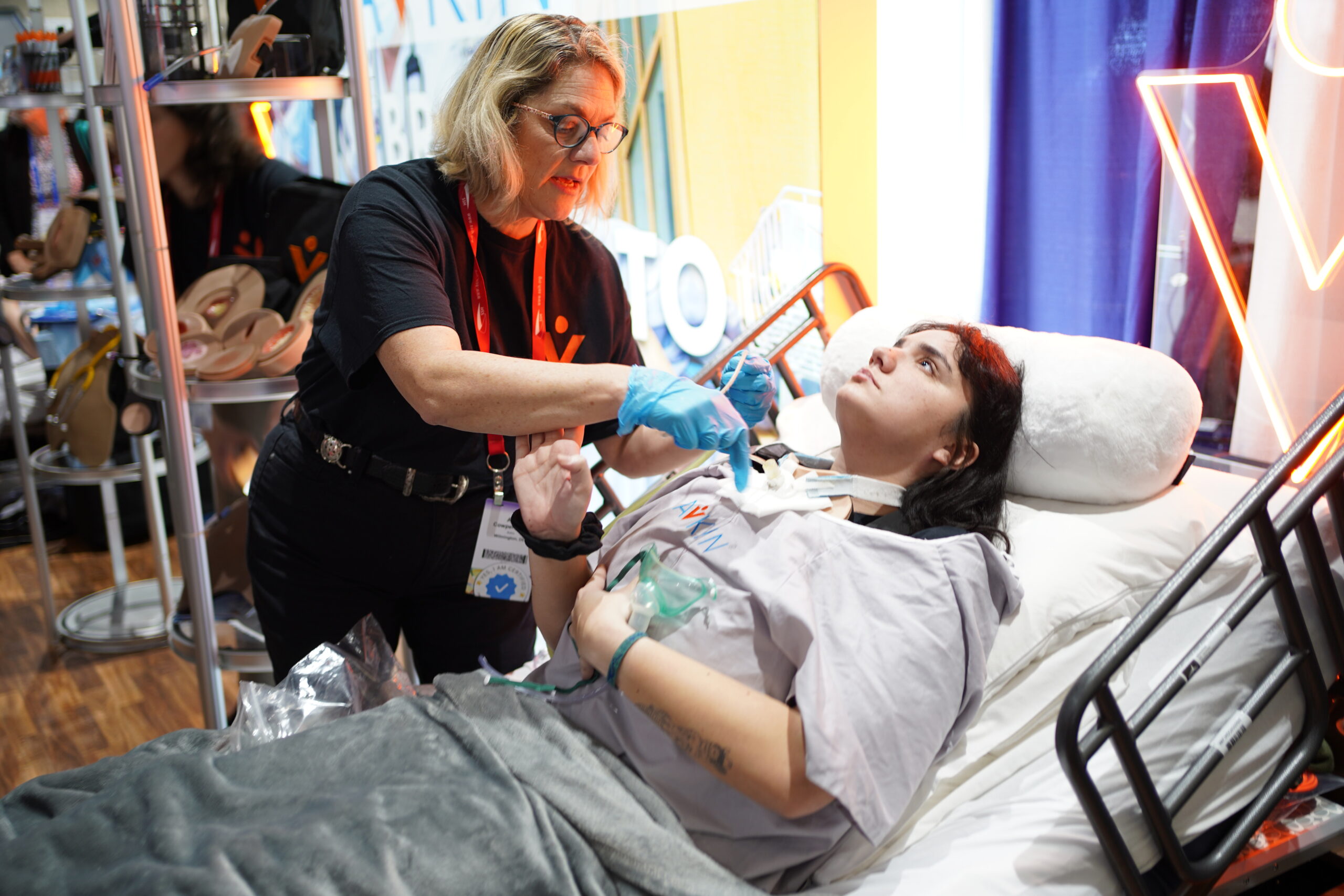
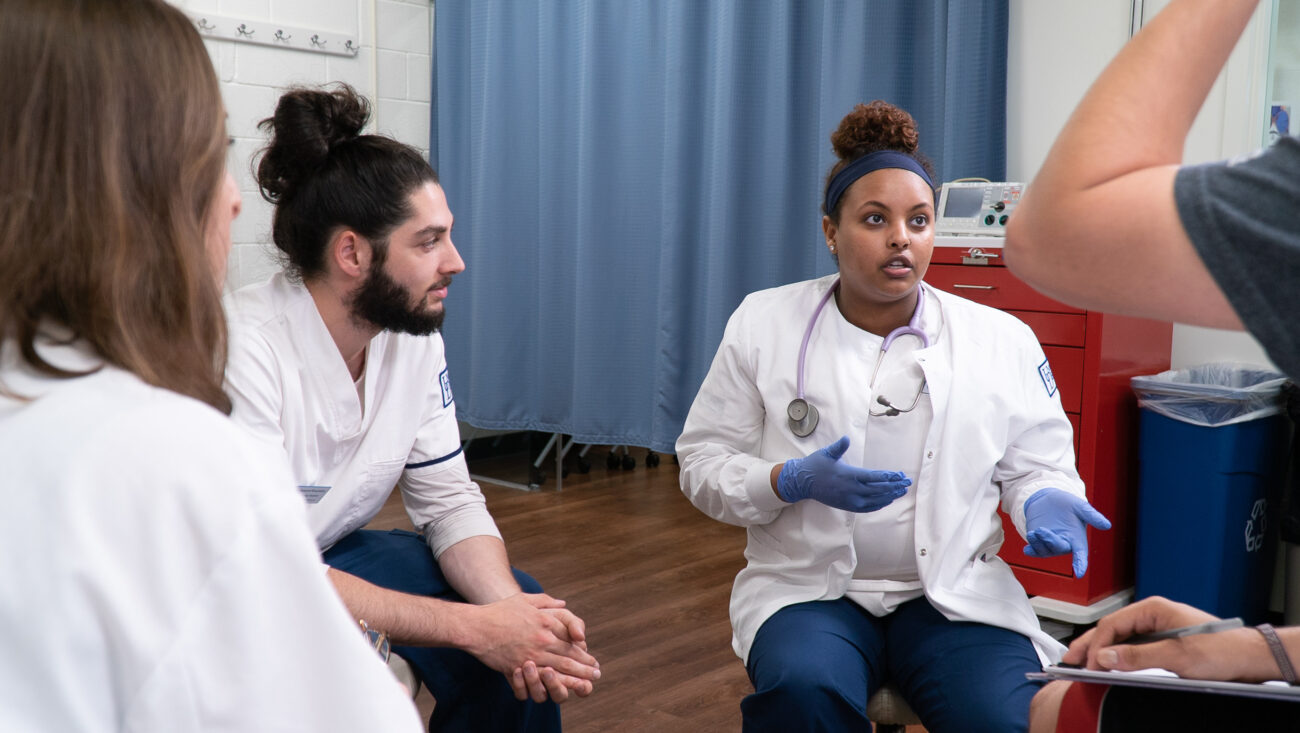
At HCA, fellow nurses often step into the patient role during training, creating realistic conversations and responses that challenge learners to think beyond the procedure itself.
When participants take on the role of the patient, they experience how their peers would respond to difficult questions, unexpected situations, and moments when reassurance matters most. They learn from one another, building empathy, confidence, and communication skills before stepping into real patient care.
It’s a simple shift with a profound impact. Instead of asking, “Can you do the skill?”, the question becomes, “Can you care for the patient while doing the skill?”.
Franceschini reports “We see more aha! moments than we have had in the past”
Realistic Training at Scale
One of the biggest challenges facing large healthcare systems is accessibility. HCA’s North Florida Division supports facilities spread across more than 500 miles. Traditional simulation often requires dedicated space, significant technology, and extensive setup. Education doesn’t always have the luxury of staying in one place.
Training must travel and wearable simulation has helped solve that challenge. The equipment is portable, the setup is straightforward, and scenarios can be delivered virtually anywhere. Sometimes the learner wears the simulator and sometimes the educator becomes the patient. The flexibility allows meaningful education to happen where nurses are learning and working.
For large health systems, that’s not simply convenient. It’s essential. Simulation no longer has to be limited to the simulation center. It can happen in classrooms, conference rooms, nursing units, and residency orientations. Wherever learning needs to occur, the patient experience can come with it.
“The amount invested in having one of your team members come to us last year ultimately became the catalyst for our next multi-unit order we are preparing to place.” Seeing the technology firsthand allows educators and leadership teams to move beyond simply hearing about the product’s capabilities and truly experience how it could fit into our educational environment. It gave faculty the opportunity to ask questions, envision implementation within our residency program, and gain confidence in both the realism and practicality of the wearable simulators.
That hands-on experience created buy-in across multiple stakeholders and helped build consensus around the value these tools could bring to HCA nurses. Showing Avkin’s commitment to education and supporting the training process.
A Call to Action
The practice readiness gap is no longer a theory. It’s a recognized challenge affecting healthcare organizations across the country. The question is no longer whether the gap exists but what we are willing to do about it.
Hospitals cannot solve it alone. Nursing schools cannot solve it alone. Simulation professionals cannot solve it alone. But together, we can.
We can create learning experiences that go beyond skill checklists. We can advocate for stronger institutional investment in simulation. We can prioritize educational strategies that put patients, not equipment, at the center of learning. And we can stop viewing new graduates as liabilities to manage and start viewing them as clinicians to develop.
Because every nurse deserves the opportunity to build confidence before entering practice. Every educator deserves the tools to prepare learners effectively. And every patient deserves care from a nurse who feels ready.
The closer we bring education to the reality of bedside care, the safer and stronger healthcare becomes.That’s not just good simulation. That’s good patient care. And that’s something every healthcare organization should be striving for.
For more information about Avkin wearables, visit Avkin.com.
¹ Smiley RA, Ruttinger C, Oliveira CM, et al. The 2022 National Nursing Workforce Survey. Journal of Nursing Regulation. 2023;14(1 Suppl):S1-S90.