Blog
Free Simulation Resources to Prep You for the Semester


The holidays are over and students are on their way back to campus, are you and your simulation team ready to hit the ground running? This year, Avkin is bringing you a list of free simulation resources to prep you for the semester!
Below are 19 FREE resources that will help you and your team be on top of the ball. From Best Practices for debriefing with a standardized patient, to psychological safety, to SP character description outlines, we have you covered.
Free Resources
- Best Practices for Debriefing with a Standardized Patient
- Free Jacob Easton Simulation
- 9 Keys to High Fidelity Simulation With Live People
- Pathway for Standardized Patient Psychological Safety
- Simulationists Guide to Implementing Psychological Safety
- Uta Hagen 9 Questions Resource
- Confidence With Assessment And Management Of Chest Tubes
- Enhancing EMS Simulations Integrating OB for Comprehensive Prehospital Care
- Opt Out Sheet for Sim Roles
- Avkin Consent Form
- 5 Keys to Consider When Utilizing Standardized Patients
- Standardized Patient Sample Job Posting
- Interview Questions for Standardized Patient Onboarding
- Standardized Patient Character Description Outline
- Standardized Patient Feedback Template
- Avkin’s Dress Rehearsal Essentials
- Simulationist’s Guide to High-Fidelity Simulation
- Simulationists Guide to Congressional Funding
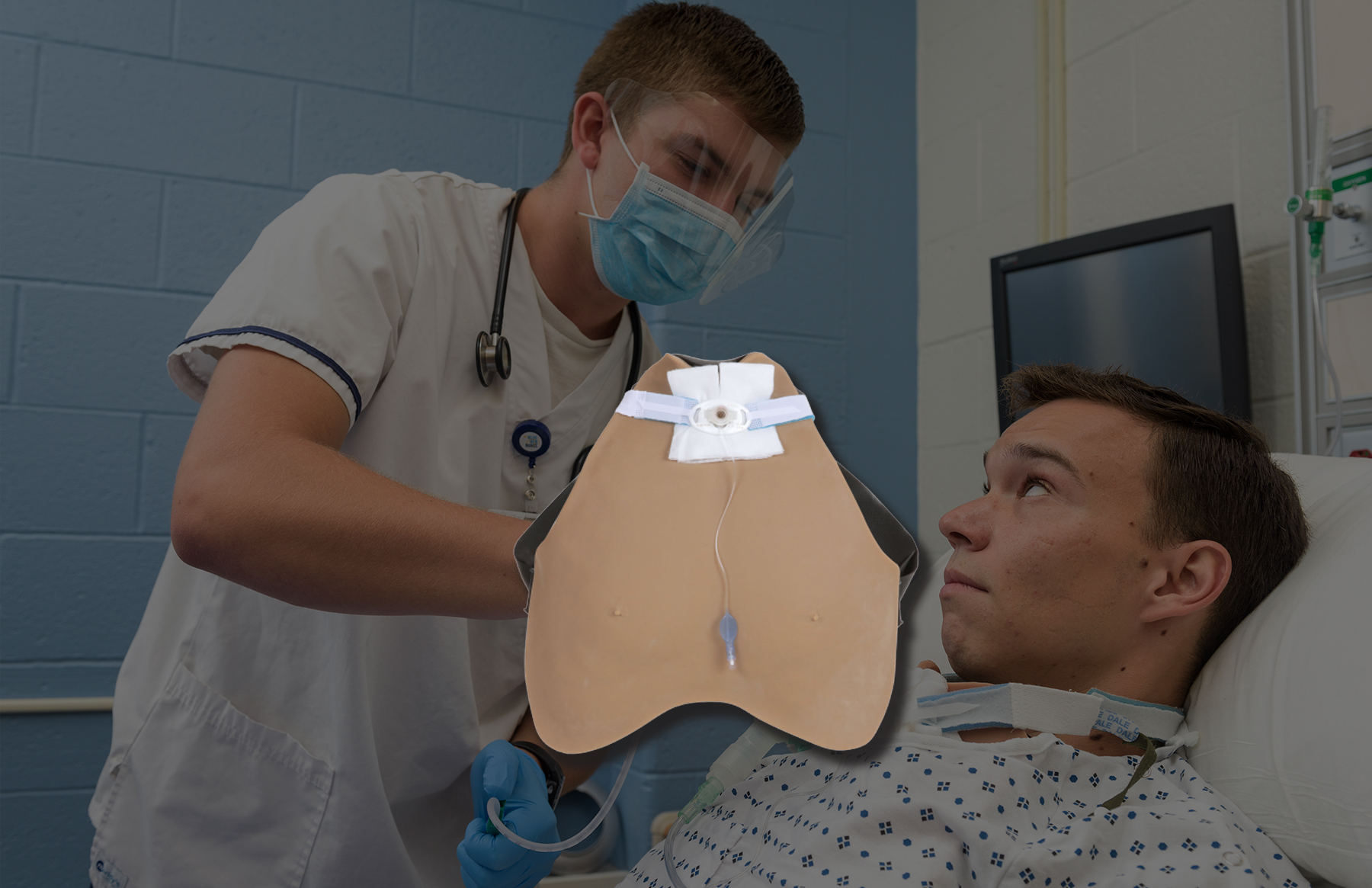
- Improving Tracheostomy Training with Avtrach Wearable Simulator
Best Practices for Debriefing with a Standardized Patient
Designed for facilitators who want debriefing to be a true learning moment, this resource breaks down how to run effective, psychologically safe debriefs with standardized patients. It shows how to turn SP feedback into one of the most powerful learning moments in simulation rather than an afterthought. It offers clear, practical techniques like directing feedback, managing misalignment, and choreographing the debrief so facilitators can guide conversations that reinforce learning objectives and learner confidence. If you want ready-to-use frameworks, language examples, and best practices you can apply immediately in your simulation program, this guide is well worth the download.
Free Jacob Easton Simulation
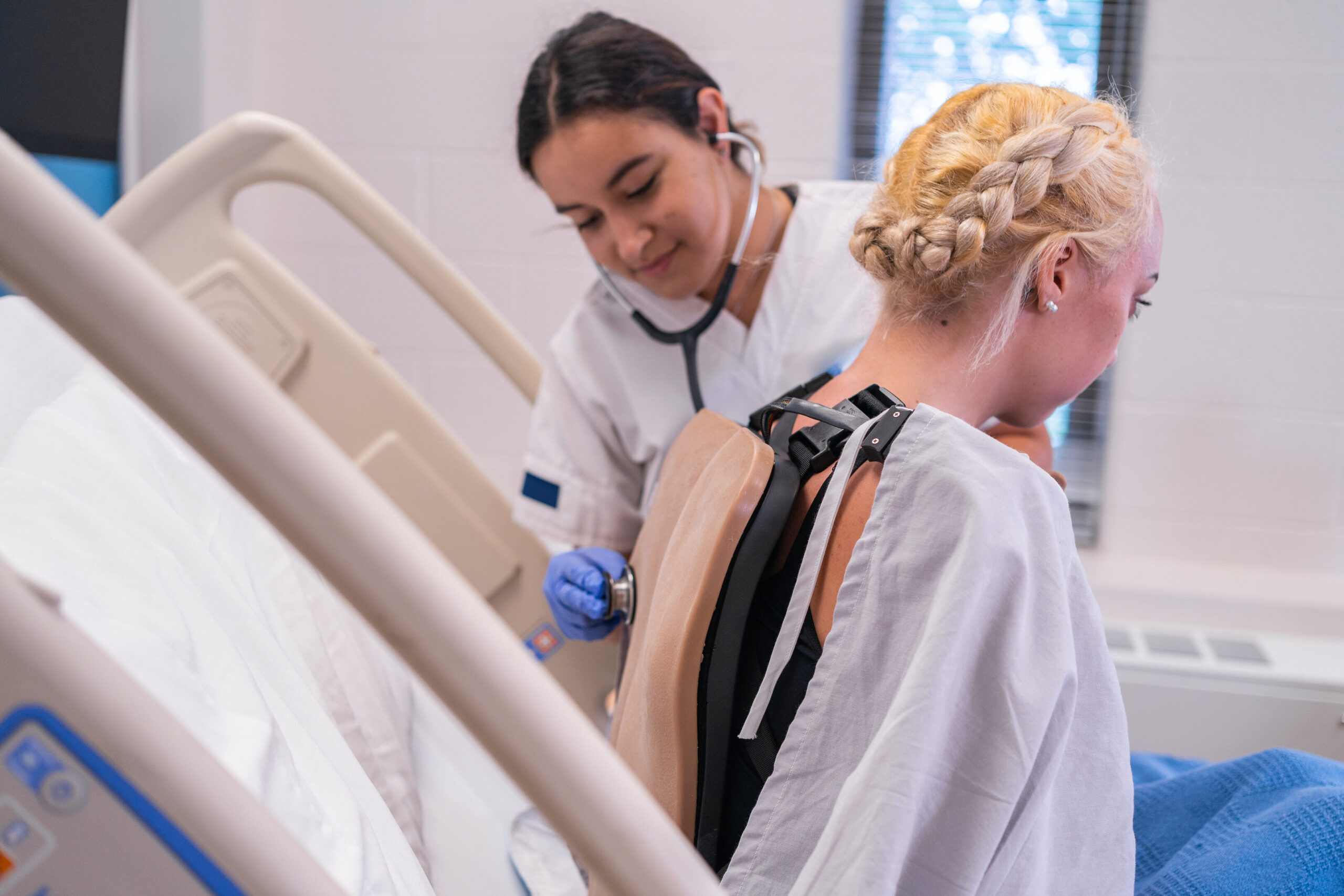
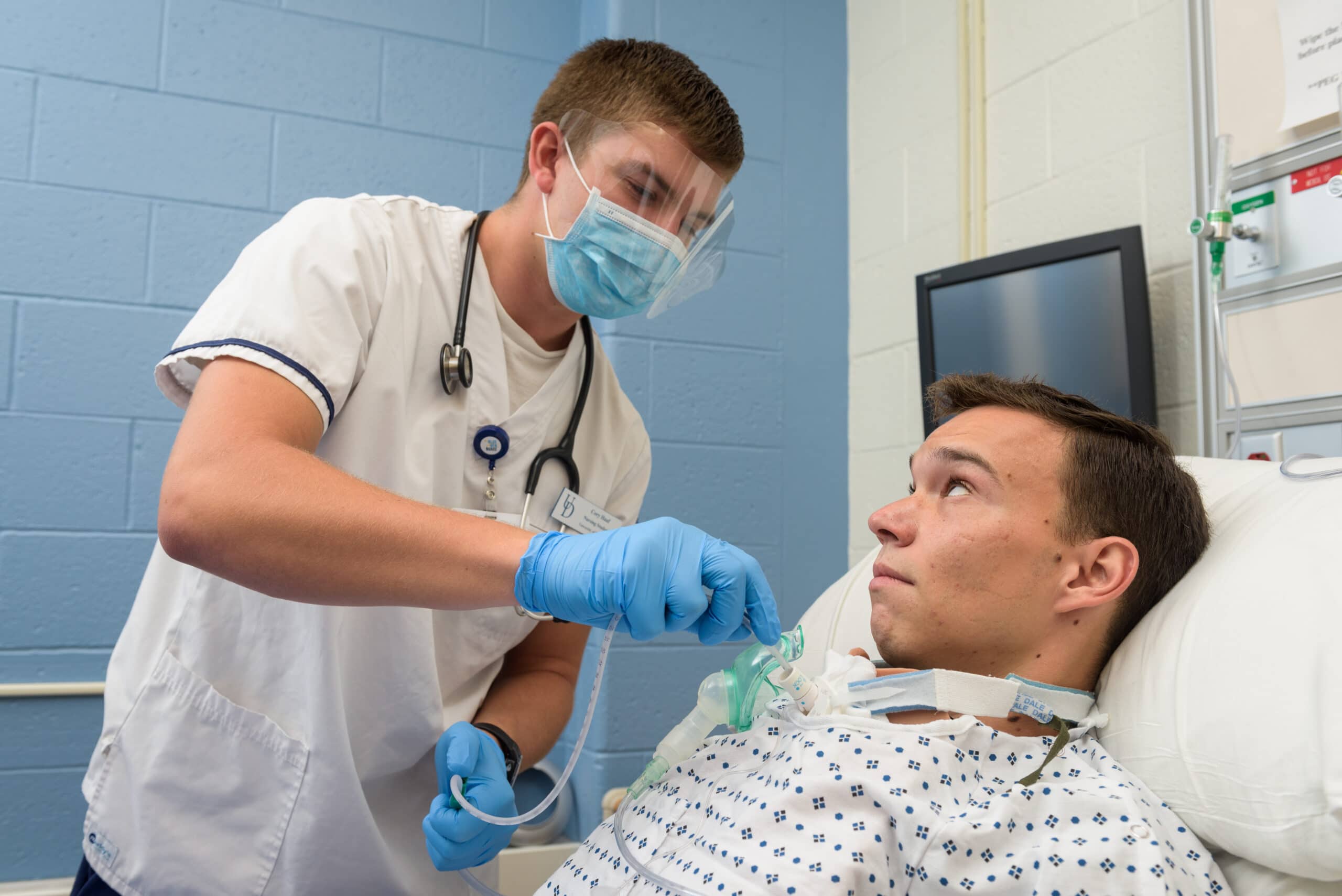
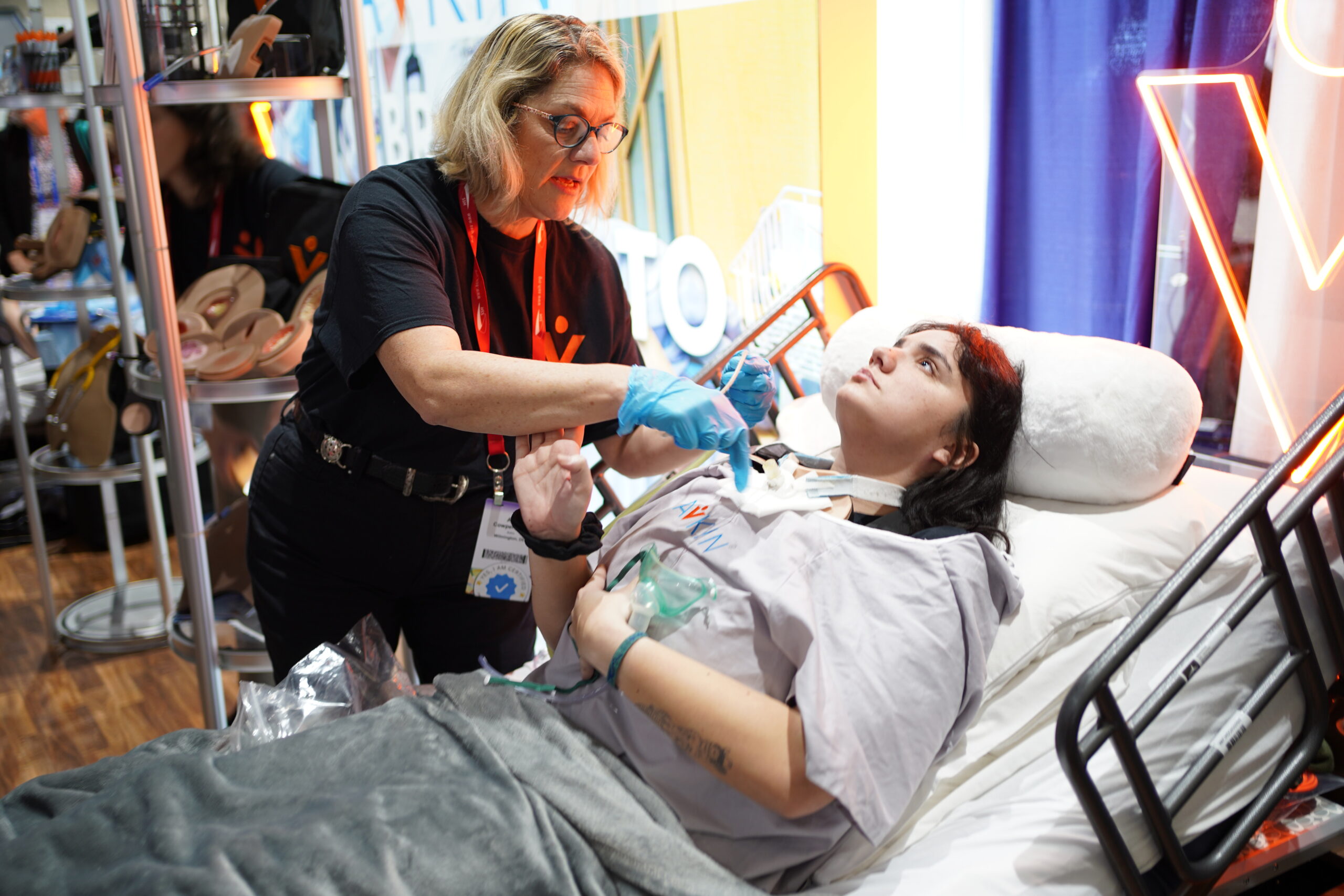
Built around a realistic, high-fidelity tracheostomy care experience, this simulation walks educators through a complete scenario using a standardized patient. It blends clinical skill, communication, and emotional intelligence into one cohesive learning event and provides everything needed to run the scenario end to end, including:
-
Learner objectives
-
Facilitator guides
-
SP cues
-
Debriefing frameworks
-
A realistic patient backstory
All elements are designed to ensure consistency and psychological safety. If you’re looking for an evidence-aligned trach simulation that goes beyond task training and prepares learners for real bedside moments, this is a must-download resource.
9 Keys to High Fidelity Simulation With Live People
High-fidelity simulation with live people works best when it follows a repeatable structure, and this guide outlines nine clear steps to make that happen. It walks educators through everything from needs analysis and objective setting to SP collaboration, dry runs, and dress rehearsals, eliminating guesswork and common failure points. If you want a practical roadmap for launching or improving standardized patient–based simulation without reinventing the wheel, this is a smart, fast download.
Pathway for Standardized Patient Psychological Safety
This one-page infographic lays out a clear, step-by-step pathway for protecting standardized patient psychological safety—from screening roles that may be too close to home to post-simulation debriefing and de-rolling
It translates a complex, often overlooked topic into simple, actionable safeguards like opt-in/opt-out protocols, safety words, and in-simulation stop mechanisms. If you want a quick, visual reference you can immediately apply to strengthen trust, safety, and sustainability in your SP program, this free resource is an easy win.
Simulationists Guide to Implementing Psychological Safety
Focused on real-world facilitation challenges, this guide offers practical, facilitator-tested strategies for creating psychologically safe learning environments in healthcare simulation. It breaks psychological safety into clear, actionable techniques, from setting expectations and debriefing effectively to managing anxiety, feedback, and peer support. If you want a usable playbook to boost learner confidence, performance, and emotional well-being, this guide delivers.
Uta Hagen 9 Questions Resource
Adapted from theater into simulation practice, this one-page resource distills Uta Hagen’s famous nine acting questions into a simple framework for standardized patients and educators. It bridges character development and healthcare simulation, making it easy to deepen realism, consistency, and learner engagement without overcomplicating preparation. If you want a quick, powerful tool to elevate SP portrayals and scenario fidelity, this is a must-save reference.
Confidence With Assessment And Management Of Chest Tubes
Centered on real-world clinical pressure, this webinar explores how human-centered chest tube simulation builds learner confidence and competence for high-stakes, low-frequency scenarios. Drawing on real clinical stories, cognitive load theory, and simulation best practices, it shows why wearable simulators paired with standardized patients improve skill transfer, stress management, and patient safety. If you want practical insight into leveling up chest tube education beyond task training and making learning stick at the bedside, this is a valuable no-cost watch.
Enhancing EMS Simulations Integrating OB for Comprehensive Prehospital Care
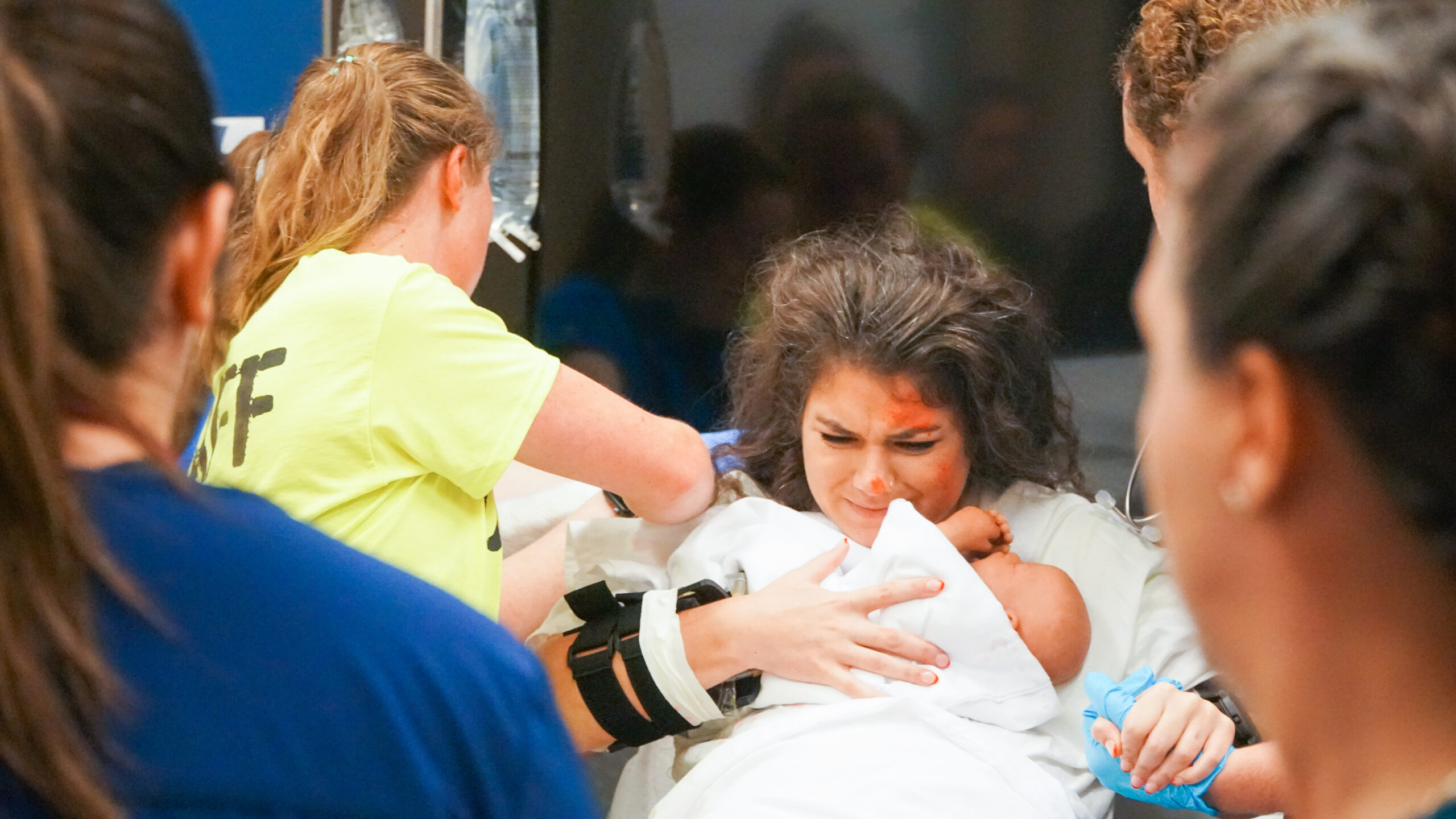
Designed specifically for prehospital providers, this webinar shows how integrating obstetric simulation into EMS training prepares teams for rare, high-risk births. It breaks down crawl–walk–run learning, accreditation requirements, and realistic scenario design using wearable OB simulators and live role players to improve confidence, communication, and clinical decision-making. If you want field-tested strategies to strengthen EMS readiness for maternal and neonatal emergencies, this resource is worth your time.
Opt Out Sheet for Sim Roles
This simple form gives simulation programs a clear, documented way to protect psychological safety by allowing standardized patients to opt in or out of specific roles without pressure or stigma. It supports transparency, consent, and trust by formalizing boundaries before simulation begins, especially for roles that may be emotionally close to home. If you want an easy-to-implement safeguard that aligns with best practices, this is a no-brainer download.
Avkin Consent Form
Created to support transparency and trust, this consent form outlines how to protect standardized patient psychological and physical safety when using wearable simulators. It aligns with ASPE Standards of Best Practice and gives SPs full clarity and control, including opt-in and opt-out choices, safety mechanisms, and device-specific considerations. If you want a ready-to-use document that reduces risk and professionalizes your simulation program, this form delivers.
5 Keys to Consider When Utilizing Standardized Patients
Successful SP programs don’t happen by accident, and this guide breaks down the five most critical elements that make them work. It covers recruitment, training, standardization, feedback, and coaching with clear, practical guidance you can apply immediately. If you want a concise, experience-driven roadmap to strengthen realism and learner outcomes without overcomplicating your process, this is an easy and valuable download.
Standardized Patient Sample Job Posting
Geared toward performers and educators alike, this resource explains how becoming a standardized patient turns acting skills into meaningful, paid work. It highlights flexible hours, competitive pay, and authentic role-based simulations that help train future nurses in communication and empathy. If you want a clear, approachable introduction to SP work and how to get started, this is an easy read.
Interview Questions for Standardized Patient Onboarding
Recruiting the right standardized patients starts with the right questions, and this one-page resource delivers exactly that. It provides ready-to-use interview questions that balance logistics, motivation, and psychological safety, helping programs identify reliable, self-aware candidates who are a good fit for simulation work. If you want a simple screening tool that saves time and strengthens your SP program from day one, this is a smart download.
Standardized Patient Character Description Outline
Built with an actor-informed approach, this template gives simulation teams a structured way to create rich, consistent standardized patient characters. It guides SPs through background, emotional state, health history, and interaction boundaries, helping align performance, learner expectations, and psychological safety. If you want a plug-and-play tool that improves consistency, immersion, and SP confidence across scenarios, this delivers.
Standardized Patient Feedback Template
Designed to remove uncertainty from feedback, this step-by-step template gives standardized patients clear structure for delivering psychologically safe, behavior-focused learner feedback. It reinforces communication, empathy, and professionalism while protecting learner confidence. If you want a ready-made tool that immediately improves feedback quality and consistency, this one earns its place.
Avkin's Dress Rehearsal Essentials
Consistency starts before simulation day, and this checklist-style guide outlines exactly how to run an effective standardized patient dress rehearsal. It covers timing, roles, coaching flow, safety protocols, and rehearsal structure, removing the chaos that leads to inconsistent performances. If you want a repeatable process that dramatically improves realism and confidence, this is a must-download resource.
Simulationist's Guide to High-Fidelity Simulation
For programs looking to move beyond technology-first thinking, this comprehensive guide explains what high-fidelity simulation truly means and how to implement it intentionally. It covers standards, modalities, ethics, DEI, feedback, prebriefing, and debriefing, offering both big-picture perspective and practical decision-making tools. If you want a single, go-to reference that sharpens outcomes and aligns your program with best practice, this resource delivers.
Simulationists Guide to Congressional Funding
Navigating federal funding can feel overwhelming, and this guide breaks the process down into clear, understandable steps. It explains how congressional funding works for healthcare and simulation projects, what lawmakers look for, and how workforce and nursing shortage initiatives are evaluated. If you want a plain-language roadmap to pursue federal dollars with stronger confidence and strategy, this is a smart resource to download.
Improving Tracheostomy Training with Avtrach Wearable Simulator
Grounded in peer-reviewed research, this summary highlights evidence showing wearable airway simulation outperforms traditional manikins in tracheostomy training. The multi-institutional randomized study found higher clinical competency, better stress regulation measured by cortisol, and greater learner engagement when using the AvTrach® wearable simulator. If you want data-backed proof that human-centered, wearable simulation improves bedside performance, this is a must-read.